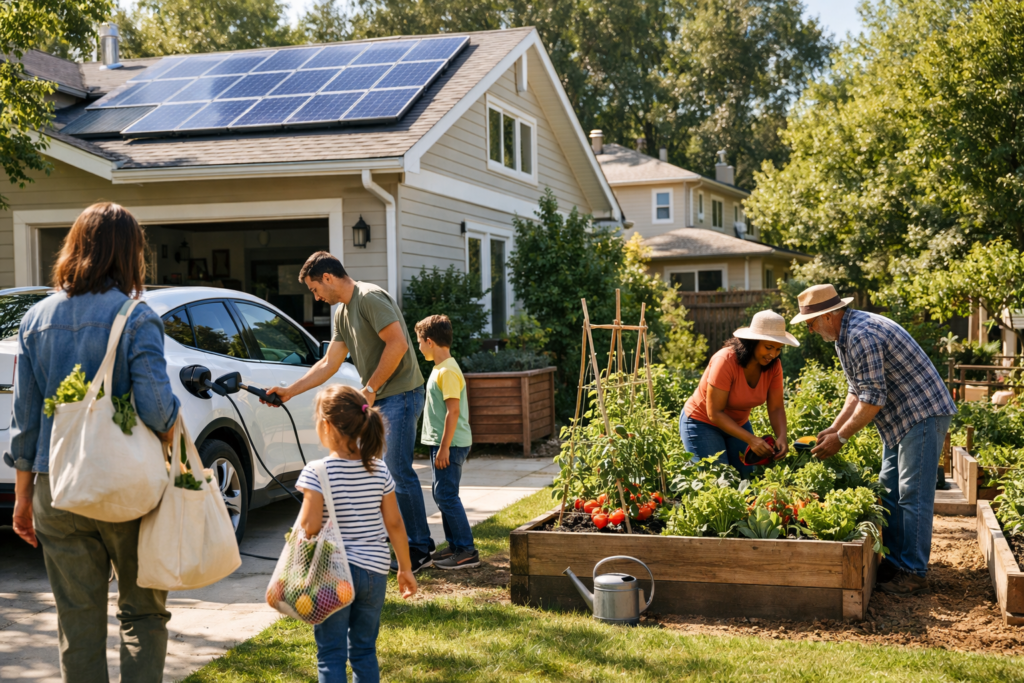
For many years, eco-conscious living was often viewed as a niche lifestyle embraced by environmental activists, outdoor enthusiasts, or people deeply committed to reducing their environmental impact. Recycling, driving electric vehicles, installing solar panels, and buying sustainable products were considered choices made by a relatively small segment of the population.
That perception is rapidly changing.
Across the United States, sustainable living is moving from the margins to the mainstream. What was once considered an alternative lifestyle is becoming part of everyday decision-making for millions of Americans.
From homeowners investing in energy-efficient upgrades to consumers seeking environmentally responsible products, eco-conscious living is no longer limited to a select group of people. It has become a growing cultural movement that influences how Americans shop, travel, work, and manage their homes.
This shift is being driven by a combination of environmental awareness, economic benefits, technological innovation, and changing consumer expectations.
The result is a new era where sustainability is becoming less about sacrifice and more about smart living.
The Evolution of Sustainable Living
Sustainability has been discussed for decades, but the way people think about it has evolved significantly.
In the past, eco-friendly choices were often associated with inconvenience or higher costs. Many consumers believed that sustainable products were more expensive, less effective, or harder to find.
Today, that perception is changing.
Advancements in technology have made environmentally friendly products more accessible and practical. Consumers can now choose from a wide range of sustainable options without dramatically changing their lifestyles.
Whether it is energy-efficient appliances, reusable household products, electric vehicles, or renewable energy systems, sustainable alternatives have become easier to adopt than ever before.
As a result, eco-conscious living is increasingly viewed as a practical lifestyle choice rather than a symbolic statement.
Why More Americans Are Embracing Sustainability
Several factors are contributing to the growing popularity of sustainable living throughout the United States.
Rising Environmental Awareness
Climate-related events, changing weather patterns, and increased media coverage have brought environmental issues into public conversation.
Many Americans are becoming more aware of how daily choices affect natural resources, waste generation, and overall environmental health.
This awareness has encouraged individuals and families to look for ways to reduce their environmental footprint.
Simple actions such as reducing single-use plastics, conserving energy, and supporting sustainable brands are becoming more common across the country.
Financial Savings
One of the biggest reasons eco-conscious living has gained momentum is that it often saves money.
Consumers are discovering that many sustainable choices offer long-term financial benefits.
Examples include:
- Lower utility bills through energy-efficient appliances
- Reduced fuel costs with electric vehicles
- Savings from reusable products
- Decreased water consumption
- Lower maintenance costs through efficient home upgrades
For many households, sustainability is no longer viewed solely as an environmental responsibility. It is also a practical financial decision.
Increased Product Availability
Sustainable products are now widely available through major retailers, online marketplaces, and local businesses.
Consumers no longer need to search specialty stores to find environmentally friendly options.
From biodegradable cleaning products to responsibly sourced clothing, eco-friendly alternatives are becoming a standard part of the marketplace.
As demand increases, businesses are responding with larger product selections and more competitive pricing.
Sustainable Homes Are Becoming the New Standard
The American home is one of the biggest areas where eco-conscious living is making an impact.
Homeowners are increasingly investing in upgrades designed to improve efficiency while reducing environmental impact.
Popular improvements include:
- Solar panel installations
- Energy-efficient windows
- Smart thermostats
- LED lighting
- Water-saving fixtures
- High-efficiency HVAC systems
- Better insulation
These upgrades often provide long-term savings while improving comfort and reducing resource consumption.
New home construction is also reflecting changing priorities. Builders are incorporating sustainable design principles that focus on efficiency, durability, and environmental responsibility.
As a result, eco-friendly features are becoming expected rather than exceptional.
The Growth of Electric Vehicles
Transportation is another area experiencing major transformation.
Electric vehicles have become increasingly visible on American roads. What was once considered a technology for early adopters has evolved into a mainstream transportation option.
Several factors are driving this growth:
- Expanding charging infrastructure
- Improved battery performance
- Greater vehicle selection
- Lower operating costs
- Increased consumer confidence
Many consumers appreciate not only the environmental benefits but also the long-term savings associated with reduced fuel and maintenance expenses.
As technology continues to improve, electric vehicles are likely to play an even larger role in the future of sustainable transportation.
Consumers Are Voting With Their Wallets
Modern consumers are paying closer attention to how products are made and how companies operate.
People increasingly want to support businesses that align with their values.
Questions that consumers commonly ask include:
- Is this product sustainably sourced?
- Does this company reduce waste?
- Are ethical labor practices being followed?
- Is the packaging environmentally responsible?
Businesses that demonstrate genuine commitments to sustainability often gain trust and loyalty from environmentally conscious customers.
This shift is encouraging companies across industries to improve transparency and adopt more sustainable practices.
The Rise of Sustainable Fashion
The fashion industry has become a major focus within the sustainability movement.
Consumers are becoming more aware of the environmental impact associated with fast fashion and excessive consumption.
In response, many people are embracing alternatives such as:
- Quality over quantity purchasing
- Second-hand shopping
- Clothing rental services
- Sustainable fabric choices
- Long-lasting wardrobe investments
This trend reflects a broader cultural movement toward thoughtful consumption rather than constant replacement.
Many Americans are learning that sustainability often begins with buying less and choosing better.
Food Choices Are Changing
Eco-conscious living extends beyond products and transportation.
Food choices are also evolving.
Consumers are increasingly interested in:
- Locally sourced foods
- Seasonal produce
- Organic farming practices
- Reduced food waste
- Sustainable agriculture
Farmers markets continue to attract shoppers seeking fresh and locally grown products. Home gardening has also gained popularity among individuals who want greater control over the food they consume.
These habits support local communities while helping reduce transportation-related environmental impacts.
The Role of Technology in Sustainability
Technology is making sustainable living easier and more effective.
Smart home devices allow homeowners to monitor energy use, adjust heating and cooling systems, and reduce waste.
Mobile applications help consumers track consumption habits, locate recycling facilities, and make informed purchasing decisions.
Innovations in renewable energy, battery storage, and energy management systems are creating new opportunities for households and businesses alike.
Rather than viewing technology and sustainability as opposing forces, many Americans are using technology to support environmentally responsible lifestyles.
Younger Generations Are Driving Change
Millennials and Generation Z are playing a significant role in the mainstream adoption of eco-conscious living.
These generations have grown up with greater awareness of environmental challenges and often prioritize sustainability when making purchasing decisions.
Their influence can be seen across multiple industries, including:
- Retail
- Travel
- Housing
- Transportation
- Food services
- Financial services
Businesses that fail to address sustainability concerns may find it increasingly difficult to attract younger consumers.
As these generations continue to grow in economic influence, sustainable practices are likely to become even more important.
Challenges That Still Remain
While significant progress has been made, challenges remain.
Some sustainable products continue to carry higher upfront costs. Access to renewable energy solutions varies by location. Infrastructure improvements are still needed in certain areas.
There is also ongoing confusion about environmental claims made by some companies.
Consumers increasingly expect transparency and accountability. Businesses that exaggerate sustainability efforts risk losing trust and credibility.
Despite these challenges, momentum continues to build.
The overall direction is clear: sustainability is becoming more integrated into everyday life.
Practical Ways to Live More Sustainably
Eco-conscious living does not require dramatic lifestyle changes.
Small adjustments can make a meaningful difference over time.
Examples include:
- Using reusable water bottles and shopping bags
- Reducing food waste
- Conserving energy at home
- Choosing durable products
- Supporting local businesses
- Recycling properly
- Walking or biking when possible
- Purchasing energy-efficient appliances
When millions of people adopt small sustainable habits, the collective impact can be substantial.
The key is consistency rather than perfection.
The Future of Eco-Conscious Living in America
The future of sustainability in the United States looks increasingly promising.
As technology advances, environmentally friendly solutions will likely become more affordable and accessible. Businesses will continue adapting to changing consumer expectations. Communities will invest in cleaner infrastructure and smarter resource management.
Most importantly, sustainability is becoming part of everyday culture.
People are no longer asking whether eco-conscious living is practical. Instead, they are exploring how to incorporate sustainable choices into their existing lifestyles.
This shift marks an important turning point.
Environmental responsibility is moving beyond awareness and becoming action.
Final Thoughts
Eco-conscious living has officially entered the mainstream.
Across the United States, consumers, businesses, and communities are embracing sustainable practices that benefit both the environment and their quality of life.
What makes this movement particularly powerful is that it is no longer driven solely by environmental concerns. Financial savings, improved efficiency, technological innovation, and changing consumer values are all contributing to its growth.
As sustainable solutions become more accessible, eco-conscious living will likely continue shaping how Americans shop, travel, build homes, and make everyday decisions.
The future of sustainability is not about doing everything perfectly. It is about making thoughtful choices that collectively create a healthier, more resilient future for generations to come.