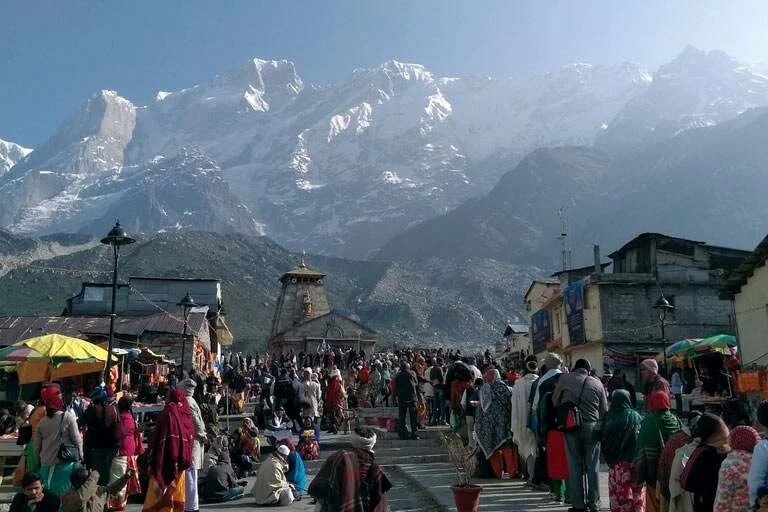
Every year, millions of pilgrims visit the sacred Kedarnath Temple in Uttarakhand. While many devotees walk the 16–18 km trek from Gaurikund, thousands rely on pony riders and mule handlers to reach the shrine safely. These pony riders—local mountain residents—are the unsung heroes of the pilgrimage.
Behind every ride is a story of struggle, devotion, and survival in the harsh Himalayan terrain. Pony riders wake up before sunrise, guide their animals through steep mountain paths, and ensure that pilgrims reach the temple safely. For them, the Kedarnath Yatra is not just a religious journey—it is their livelihood.
In this blog, we explore real stories and experiences from Kedarnath pony riders, revealing their lives, challenges, and inspiring moments.
Life of a Kedarnath Pony Rider
For most pony riders in the Kedarnath region, the yatra season is the primary source of income. The pilgrimage lasts only about four to six months each year, and during this time they work tirelessly to support their families.
Thousands of horses and mules are registered for the Kedarnath and Yamunotri routes, operated by thousands of handlers who transport pilgrims through the steep Himalayan trail.
A typical day for a pony rider begins at 3 or 4 in the morning. They prepare their animals, collect bookings at Gaurikund or Sonprayag, and start climbing the narrow mountain path toward Kedarnath.
Many riders travel the full route daily, which means covering more than 30 kilometers of mountain terrain in a single day.
Story 1: Mohan Singh – The Rider Who Never Missed a Season
Mohan Singh, a pony rider from a small village near Sonprayag, has been working on the Kedarnath trek route for nearly 15 years.
He started riding ponies at the age of 18 when his father fell ill. The family owned two mules, and Mohan had to take over the responsibility of earning income.
According to Mohan:
“The mountains are our workplace. We know every stone on this path.”
During the pilgrimage season, Mohan carries two to three pilgrims daily. Some days are smooth, while others are extremely challenging due to rain, landslides, or heavy crowds.
Despite the hardships, Mohan says the most satisfying moment is when pilgrims thank him after reaching the temple.
“Many elderly people cannot walk. When they reach Kedarnath with our help and cry with devotion, we feel proud,” he says.
Story 2: Raju Rawat – From Pony Handler to Father of an IIT Student
One inspiring story from the Kedarnath region involves the son of a pony handler who achieved academic success against all odds.
Raju Rawat works as a pony handler during the yatra season. His family income depends mainly on guiding pilgrims on horseback along the Kedarnath trail.
Despite limited resources, Raju ensured his son received a good education. Years later, his son earned admission to IIT Madras for an MSc in Mathematics, becoming a symbol of hope for many mountain families.
Raju often says:
“Every ride I take is for my children’s future.”
Stories like these show how the Kedarnath Yatra sustains entire communities living in the Himalayan region.
Story 3: Kamal and His Loyal Mule “Badal”
Kamal, another pony rider, has a special bond with his mule named Badal.
Badal has been working on the Kedarnath route for nearly eight years. Kamal claims the mule understands the mountain path better than many humans.
According to Kamal:
“Badal knows when the road is slippery or dangerous. Sometimes he stops on his own before a risky turn.”
The bond between riders and their animals is strong. These animals are not just transportation—they are partners in survival.
However, the job can be extremely demanding for both humans and animals.
During one Char Dham season, hundreds of mules reportedly died due to exhaustion, injuries, or poor conditions along the trek route.
Because of such concerns, authorities have introduced monitoring teams and veterinary checks to ensure better treatment of animals.
Story 4: The Rider Who Saved a Pilgrim’s Life
One of the most memorable stories shared by locals involves a pony rider named Devendra.
During a sudden storm near Bhimbali, a pilgrim riding his pony started feeling dizzy due to high altitude and exhaustion.
Devendra quickly dismounted the pilgrim, gave him water, and helped him rest until medical assistance arrived.
The pilgrim later returned the next year just to thank Devendra.
Moments like these highlight how pony riders often act as unofficial guides, rescuers, and companions for pilgrims.
The Harsh Reality of the Job
While the work may seem adventurous, the reality is extremely tough.
The Kedarnath trek is about 16 km uphill and located at an altitude of nearly 11,750 feet. The path is steep, crowded, and often slippery.
Pony riders must deal with:
- Extreme weather conditions
- Heavy pilgrim traffic
- Narrow mountain paths
- Landslides and sudden rainfall
- Long working hours
Sometimes accidents also occur due to congestion on the route where trekkers and ponies share the same narrow trail.
Despite the risks, pony riders continue working because the yatra is their main livelihood.
Faith That Drives Them Forward
For many pony riders, the Kedarnath Yatra is not just work—it is also a spiritual journey.
They believe that serving pilgrims is a form of devotion to Lord Shiva.
Many riders say they feel blessed to climb the sacred path daily. Some even visit the temple early in the morning before starting their rides.
One rider explained:
“We take hundreds of people to Baba Kedarnath every season. We feel like we are part of their spiritual journey.”
This deep faith helps them endure the difficult working conditions.
The Changing Life of Pony Riders
Over the years, the Kedarnath Yatra has changed significantly.
Infrastructure has improved, helicopter services have increased, and new trekking routes have been developed. Yet pony riders remain a crucial part of the pilgrimage system.
When horse and mule services were temporarily halted due to disease concerns, many pilgrims struggled to complete the trek.
This shows how important these riders are for elderly and physically challenged devotees.
However, authorities have also introduced new rules to protect animals and ensure safety, including restrictions on operating horses at night.
Lessons from the Lives of Pony Riders
The stories of Kedarnath pony riders teach several valuable lessons.
1. Hard Work and Resilience
Working in the Himalayas requires immense physical strength and determination.
2. Strong Human-Animal Bond
The relationship between riders and their animals is built on trust and survival.
3. Faith and Devotion
Many riders see their work as a form of service to Lord Shiva.
4. Community Support
Entire mountain communities depend on the Kedarnath Yatra for their livelihood.
Why Pilgrims Respect Pony Riders
Most pilgrims who travel to Kedarnath develop deep respect for pony riders.
Without them, many elderly devotees would never be able to reach the temple.
These riders navigate dangerous mountain trails every day, ensuring that pilgrims arrive safely.
Their role is often overlooked, but they are truly the backbone of the Kedarnath pilgrimage.
Conclusion
The journey to Kedarnath is filled with faith, endurance, and breathtaking Himalayan beauty. But behind this sacred pilgrimage lies the untold story of pony riders who make the journey possible.
From supporting their families to helping pilgrims fulfill lifelong spiritual dreams, these riders represent courage and resilience.
Their stories remind us that every pilgrimage is not only about reaching the temple but also about the people who help make the journey possible.
The next time you visit Kedarnath and see a pony rider guiding a pilgrim along the steep trail, remember that behind that ride lies a story of dedication, struggle, and faith.