|
Summary: As businesses continue deploying more connected devices across facilities, operational systems, and remote environments, managing those devices efficiently becomes increasingly important. Without centralized oversight, organizations may face connectivity issues, inconsistent configurations, outdated firmware, security vulnerabilities, and growing administrative complexity. That is why many businesses rely on structured IoT device management systems to maintain visibility and control across connected infrastructure. IoT device management improves operational efficiency by simplifying monitoring, remote configuration, software updates, troubleshooting, and lifecycle management. With centralized administration and better operational visibility, businesses can maintain more reliable connected environments while reducing downtime and improving long-term scalability. |
Connected devices now support a wide range of business operations, from monitoring systems and sensors to smart infrastructure and network-connected equipment. As organizations expand their use of connected technology, managing those devices effectively becomes a major operational priority.
Without a structured management strategy, businesses may struggle to maintain visibility across connected environments. Devices can become difficult to monitor, software updates may be inconsistent, troubleshooting can take longer, and connectivity issues may disrupt operations.
IoT device management helps simplify these challenges by providing centralized oversight and operational control across connected systems.
What Is IoT Device Management?
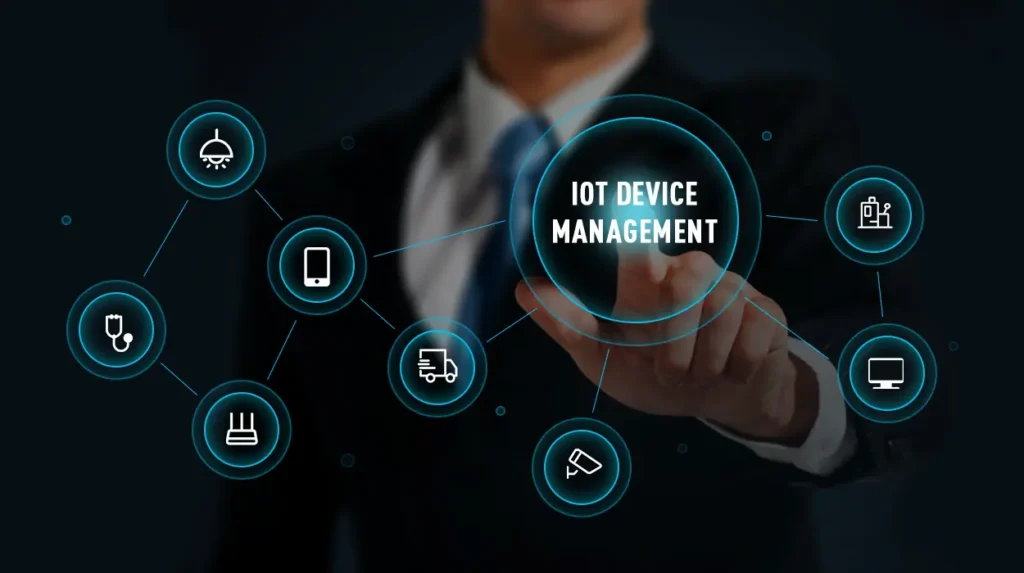
IoT device management refers to the process of monitoring, configuring, maintaining, securing, and managing connected devices throughout their operational lifecycle.
These management systems help organizations oversee:
- Device provisioning
- Remote monitoring
- Firmware and software updates
- Connectivity management
- Troubleshooting and diagnostics
- Security administration
- Device lifecycle management
As connected infrastructure continues to grow, centralized management becomes increasingly important for maintaining operational efficiency and system reliability.
Centralized Visibility Across Connected Devices
One of the biggest operational advantages of IoT device management is centralized visibility.
Organizations managing large numbers of connected devices need the ability to monitor:
- Device status
- Connectivity performance
- Operational health
- Firmware versions
- Device activity
- System availability
Without centralized oversight, maintaining consistency across distributed environments can become difficult and time-consuming.
IoT device management platforms allow operational teams to monitor connected infrastructure through unified management systems that improve visibility across multiple locations and devices.
This centralized approach helps organizations identify issues faster while simplifying operational oversight.
Remote Configuration Simplifies Management
Managing devices manually onsite can create operational inefficiencies, especially for businesses operating across multiple facilities or remote locations.
IoT device management systems simplify administration through remote configuration capabilities that allow teams to:
- Adjust device settings remotely
- Deploy configuration updates
- Restart systems
- Modify operational parameters
- Manage devices centrally
Remote administration reduces the need for onsite maintenance while helping organizations maintain more consistent device management across connected environments.
This flexibility becomes especially valuable as connected device networks continue expanding.
Simplified Firmware and Software Updates
Keeping connected devices updated is essential for maintaining reliability, compatibility, and operational performance.
Without centralized update management, organizations may experience:
- Inconsistent software versions
- Operational disruptions
- Security vulnerabilities
- Device compatibility issues
IoT device management systems help simplify firmware and software updates by allowing businesses to deploy updates across connected devices from centralized platforms.
This helps organizations:
- Maintain version consistency
- Reduce manual update processes
- Improve device reliability
- Address system vulnerabilities more efficiently
Automated or centralized update management also reduces administrative workload for internal operational and IT teams.
Faster Troubleshooting and Diagnostics
Troubleshooting connected devices manually across large networks can consume significant operational time and resources.
IoT device management platforms improve operational efficiency by supporting:
- Real-time device monitoring
- Remote diagnostics
- Connectivity tracking
- Alert notifications
- Performance monitoring
When operational teams can identify problems quickly, they are often able to resolve issues faster and reduce downtime across connected systems.
Remote troubleshooting capabilities also help minimize delays associated with onsite inspections or manual device testing.
Better Lifecycle Management
Connected devices require ongoing oversight throughout their operational lifespan.
IoT device management supports lifecycle administration by helping organizations manage:
- Device deployment
- Initial provisioning
- Operational monitoring
- Maintenance scheduling
- Software updates
- Device replacement planning
- Retirement and decommissioning
Managing devices throughout their lifecycle helps businesses maintain more stable connected environments while supporting long-term infrastructure planning.
As device networks grow, lifecycle management becomes increasingly important for maintaining operational consistency and scalability.
Improved Connectivity Oversight
Reliable connectivity is essential for connected device performance.
IoT device management systems help organizations monitor:
- Network connectivity
- Communication status
- Signal interruptions
- Device availability
- Connection failures
Without proper oversight, connectivity issues may affect operations before teams become aware of the problem.
Centralized connectivity monitoring helps organizations maintain more reliable device communication while improving response times when disruptions occur.
Enhanced Security Administration
Connected devices can create security risks if organizations do not maintain proper oversight and update management.
IoT device management systems help businesses strengthen operational security by supporting:
- Device authentication
- Access control management
- Firmware update oversight
- User permission management
- Centralized administrative control
Maintaining visibility across connected devices helps organizations reduce operational risk while improving management consistency.
As connected infrastructure expands, centralized security administration becomes increasingly important for maintaining secure operational environments.
Improved Scalability for Growing Device Networks
As businesses deploy additional connected devices, operational complexity often increases as well.
IoT device management systems help organizations scale more efficiently by supporting:
- Centralized administration
- Standardized device configuration
- Simplified deployment workflows
- Consistent monitoring processes
Without structured management systems, expanding connected environments can create administrative challenges and operational inefficiencies.
Centralized oversight helps businesses maintain operational control as device networks continue growing.
Reduced Administrative Complexity
Managing connected devices manually across multiple systems can create a significant administrative burden for operational and IT teams.
IoT device management simplifies many routine processes through centralized management tools that support:
- Device monitoring
- Update administration
- Configuration management
- Diagnostics workflows
- Connectivity oversight
Reducing repetitive manual tasks allows teams to focus more on maintaining operational performance and system reliability.
Better Operational Visibility
Operational efficiency often depends on how quickly organizations can identify performance issues across connected infrastructure.
IoT device management platforms help businesses maintain visibility into:
- Device health
- System performance
- Operational availability
- Connectivity stability
- Device activity
Improved operational visibility supports faster decision-making while helping organizations identify potential issues before they create larger disruptions.
This level of oversight becomes increasingly important as connected environments continue expanding.
CTA
As connected device environments continue growing, businesses need management systems that support centralized oversight, remote administration, operational visibility, and long-term scalability. Effective IoT device management helps organizations maintain reliable connected infrastructure while simplifying monitoring, updates, troubleshooting, and lifecycle management across operations.
Resolute Partners provides IoT device management solutions designed to improve operational efficiency, simplify connected infrastructure oversight, and support scalable device environments. Whether you are expanding an existing IoT network or improving visibility across connected systems, the right management strategy can help reduce complexity while improving long-term operational reliability.
Contact Resolute Partners to learn more about IoT device management solutions and connected infrastructure support.
FAQs
1. What is IoT device management?
IoT device management involves monitoring, configuring, maintaining, securing, and managing connected devices throughout their operational lifecycle.
2. Why is IoT device management important?
It helps organizations maintain operational visibility, improve device reliability, simplify updates, reduce downtime, and manage connected infrastructure more efficiently.
3. Can IoT device management support remote administration?
Yes. Many IoT device management systems allow organizations to configure, monitor, troubleshoot, and update devices remotely.
4. How does IoT device management improve operational efficiency?
It improves efficiency by centralizing oversight, simplifying updates, reducing manual administration, improving troubleshooting, and supporting scalable device management.
5. What does IoT lifecycle management include?
Lifecycle management may include device provisioning, deployment, monitoring, maintenance, software updates, troubleshooting, replacement planning, and device retirement.