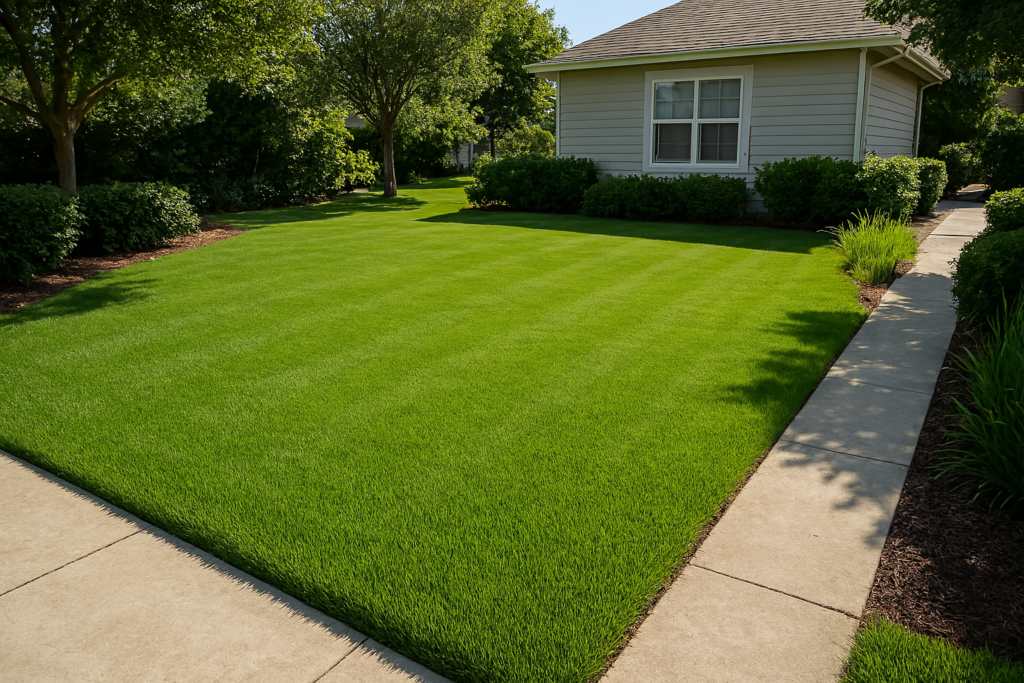
Maintaining a healthy lawn is not about quick fixes or occasional effort. Grass responds best to consistency, proper timing, and ongoing care. Without regular maintenance, even the best lawns can quickly decline, developing weeds, uneven growth, and signs of stress.
Lawn maintenance is the foundation of long-term turf health. It focuses on managing growth, supporting recovery, and preventing problems before they become visible. This article explores what lawn maintenance involves, why consistency matters, and how a structured approach delivers better results than reactive care.
What Lawn Maintenance Really Means
Lawn maintenance goes beyond simply cutting grass. It’s a routine process designed to keep turf balanced and resilient.
Key elements include:
- Regular mowing at appropriate heights
- Keeping lawn edges defined
- Removing debris and clippings
- Monitoring growth patterns
- Adjusting care based on seasonal conditions
When done correctly, these actions work together to support healthy grass development.
Why Inconsistent Lawn Care Causes Problems
Many lawn issues stem from irregular maintenance. When grass is cut too short, left too long, or maintained sporadically, stress builds over time.
Common problems caused by inconsistent care include:
- Weak root systems
- Patchy growth
- Weed establishment
- Reduced drought tolerance
These issues often require significant effort to correct once they take hold.
How Grass Responds to Regular Maintenance
Grass thrives under predictable conditions. Regular mowing encourages:
- Even growth
- Thicker turf coverage
- Stronger root development
Consistent care helps lawns recover faster from weather extremes and everyday wear.
Seasonal Lawn Maintenance and Growth Cycles
Grass growth changes throughout the year, and maintenance should adjust accordingly.
- During active growth periods, regular mowing helps manage height and density.
- During high-stress periods, careful mowing prevents additional strain.
- During slower growth, light maintenance maintains stability.
Aligning care with growth cycles is essential for long-term lawn health.
Why Lawn Maintenance Prevents Weeds Naturally
Dense, healthy turf leaves little space for weeds to establish. Regular mowing and proper care:
- Encourage turf dominance
- Reduce open soil exposure
- Limit weed germination
Rather than relying on corrective treatments, consistent maintenance supports natural weed resistance.
The Role of Lawn Maintenance in Soil Health
Proper maintenance supports soil structure by:
- Preventing compaction
- Encouraging healthy root systems
- Improving water absorption
Healthy soil leads to healthier grass, reducing the need for intervention over time.
Structured Maintenance vs Reactive Fixes
Reactive lawn care focuses on symptoms, fixing problems after they appear. Structured maintenance focuses on prevention.
The benefits of structured care include:
- Fewer recurring issues
- Reduced lawn stress
- More predictable results
- Lower long-term effort
Consistency always outperforms correction.
Time and Cost Benefits of Regular Lawn Maintenance
Regular lawn maintenance saves time by preventing lawns from becoming overgrown or unmanageable. It also reduces costs by avoiding repeated fixes and intensive restoration work.
Small, regular efforts deliver better results than large, infrequent ones.
Who Benefits Most From Regular Lawn Maintenance
Consistent lawn care benefits:
- Homeowners wanting reliable results
- Properties with recurring lawn issues
- Anyone seeking low-stress outdoor upkeep
A maintained lawn is easier to enjoy and manage.
Final Thoughts
Lawn maintenance is not about perfection – it’s about balance. Through regular, consistent care, lawns remain healthy, resilient, and visually appealing throughout the year.
By working with natural growth cycles and focusing on prevention, lawn maintenance delivers lasting results that reactive treatments simply can’t match.